Mein erstes Smartphone bekam ich mit zwölf. Seitdem versuche ich, einen gesunden Umgang damit zu finden. Das fällt mir bis heute nicht immer leicht. Soziale Medien, Gruppendruck und stundenlanges Scrollen sind für junge Menschen keine Ausnahme. Für viele gehören sie zum Alltag.
Instagram, TikTok und Snapchat bestimmten über Jahre einen großen Teil meiner Tage, ohne dass ich mich bewusst dafür entschieden hatte. Diese Plattformen sind darauf ausgelegt, möglichst viel Zeit zu binden. Bei mir funktionierte das. Meine Bildschirmzeit lag weit über zwei Stunden am Tag, während Schule, Freundschaften und Sport langsam in den Hintergrund rückten. Aus einer Gewohnheit wurde Abhängigkeit. Während der Lockdowns erreichte das seinen Höhepunkt.
Das Schwierige ist: Es fühlt sich selten wie ein Problem an. Eher wie eine harmlose Routine. Du kommst aus der Schule, willst kurz abschalten, schaust ein paar Reels und Videos an. Plötzlich sind drei Stunden vergangen. Der schnelle Reiz kurzer Videos zieht dich immer wieder zurück. Von außen zeigte sich das bei mir durch weniger Motivation für Schule, Freunde und Hobbys. Als ich schließlich alle Accounts löschte, kam etwas anderes hinzu: der Druck, mich mit anderen zu vergleichen, und das Gefühl, nicht mehr dazuzugehören.
In diesen Jahren entstand der Wunsch, etwas zu verändern. Ein Problem, das so eng mit dem Smartphone verbunden ist, braucht ehrliche Gespräche und eine neue Antwort. Gerade junge Menschen brauchen Möglichkeiten, wieder Abstand zu ihrem Handy zu gewinnen. Dort beginnt freeself.
Bevor ich auf diese Idee kam, probierte ich lange die vorhandenen Werkzeuge aus. Ich nutzte Apples Bildschirmzeit und setzte App-Limits für Instagram, TikTok und andere Apps. Das Problem war nicht die Funktion selbst, sondern wie leicht ich sie umgehen konnte. Ein Tipp auf „Limit ignorieren“ und die Sperre war weg. Ich erlebte das monatelang bei mir selbst und hörte Ähnliches von anderen: Eltern setzen Grenzen, Kinder umgehen sie in Sekunden, und beide Seiten merken irgendwann, dass Software allein nicht immer reicht.
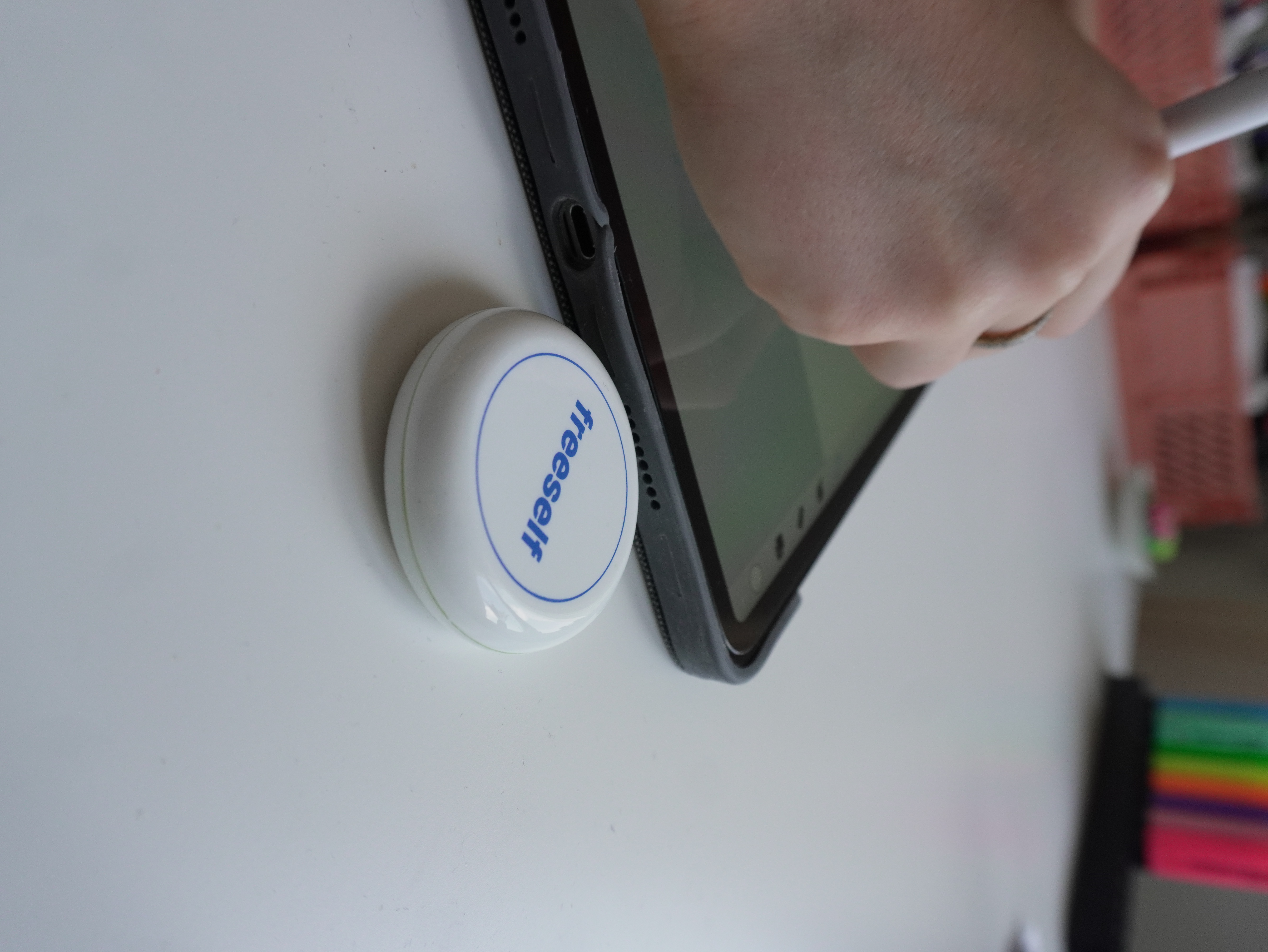
Mir wurde klar, dass es mehr braucht als eine weitere Hürde auf demselben Bildschirm. Es braucht einen bewussten Moment außerhalb des Handys, eine Handlung, die sich nicht nebenbei mit dem Daumen wegwischen lässt. Daraus entstand freeself: ein physischer Tag und eine App, mit denen ich selbst entscheide, wann meine Fokussitzung beginnt und endet.